
Research
Research areas across The NYU Quantum Institute, grouped by focus.
Quantum Computing: Hardware, Devices & Algorithms
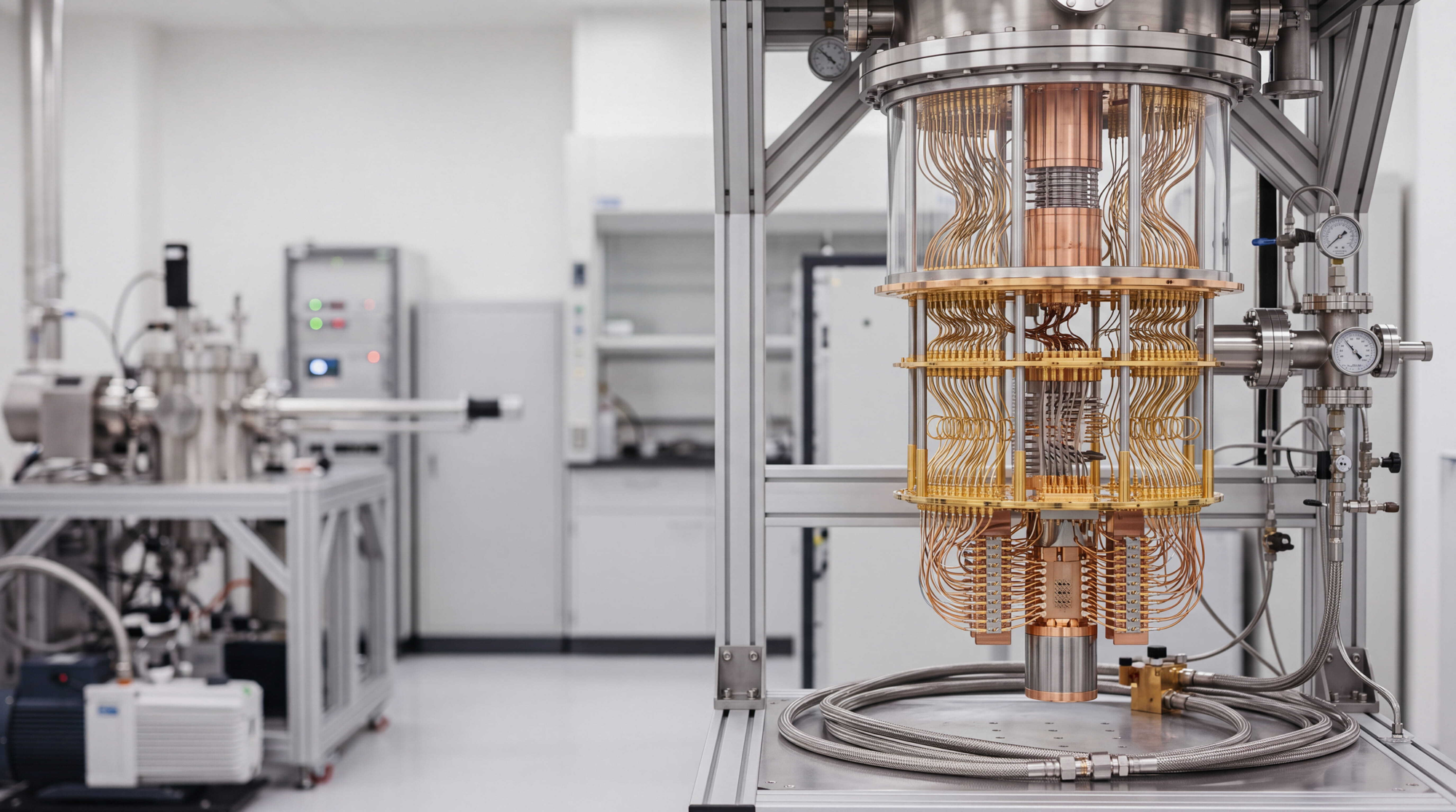
A quantum computer operates on a different physical basis than classical systems. By encoding information in quantum bits—qubits—capable of superposition and entanglement, it accesses computational space that grows exponentially with system size.
This enables solutions to problems in molecular simulation, materials discovery, and combinatorial optimization beyond classical reach.
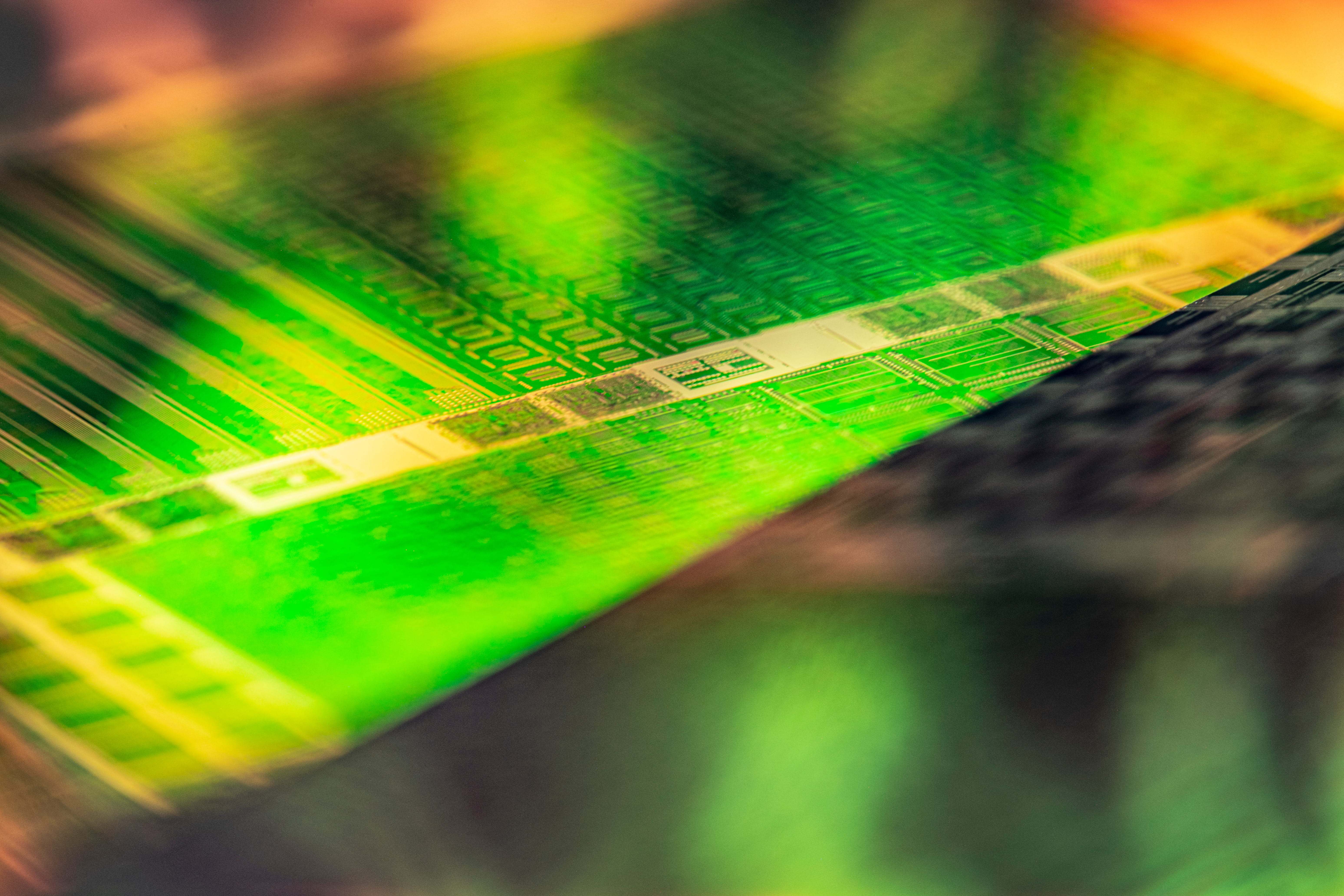
NYU pursues quantum computing advancement on two fronts. On hardware, faculty engineer hybrid semiconductor–superconductor materials from which qubits are built, and fabricate working quantum devices in NYU QFab—one of few academic facilities capable of carrying a materials discovery through to a functioning quantum chip.
On the theory side, computer scientists establish the complexity-theoretic bounds that determine which problems could benefit from a quantum approach, with direct implications for cryptography and digital security.
Torch, NYU's newest supercomputer, lets researchers simulate quantum algorithms and test those limits at scale before hardware can run them.
Quantum Communications & Networking
Quantum mechanics forbids the perfect copying of an unknown quantum state—a constraint that, reframed, becomes a resource: any attempt to intercept a quantum-encoded message necessarily disturbs it, and so reveals itself.
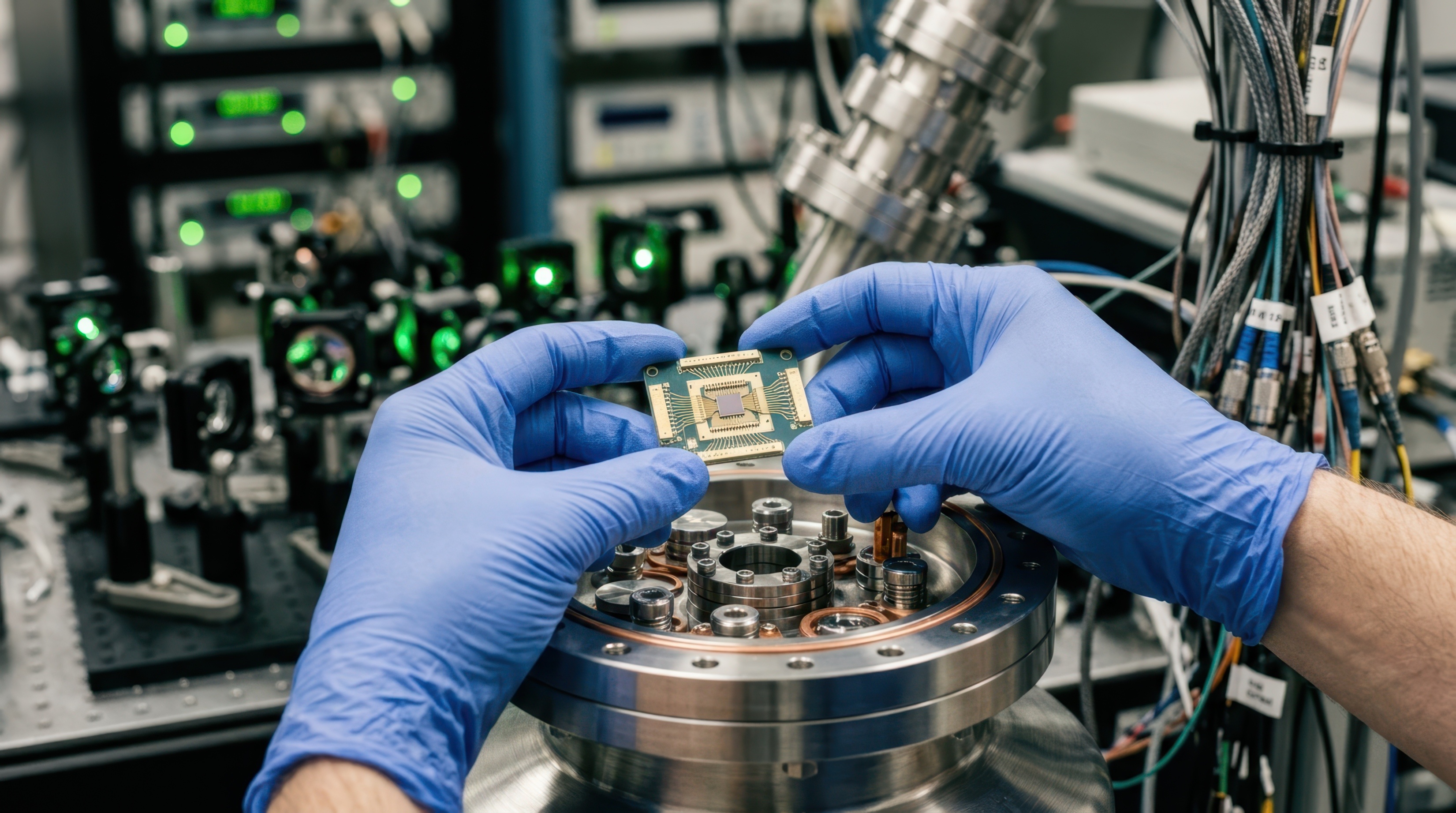
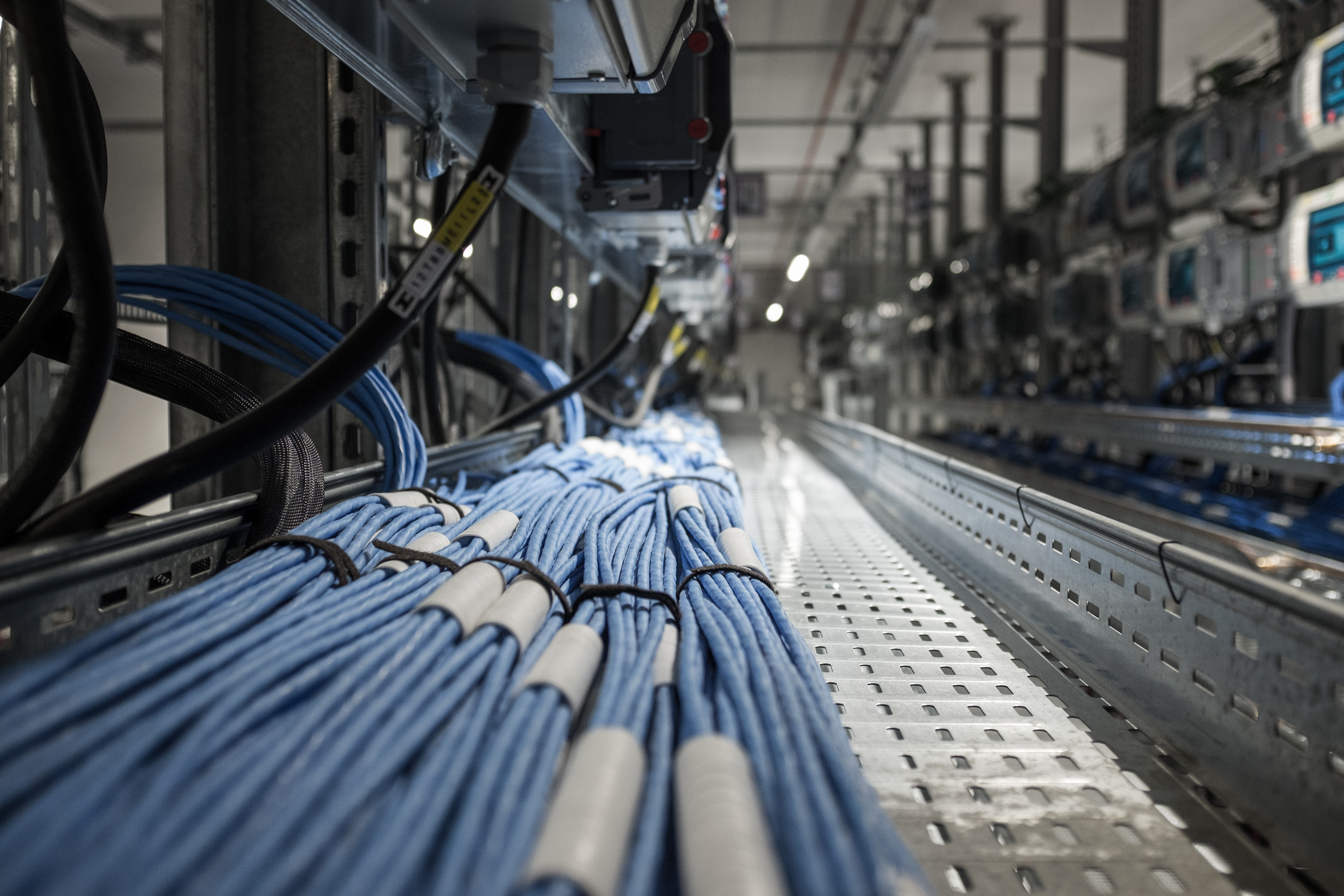
NYU operates a live testbed for this technology, routing quantum signals through the same fiber-optic infrastructure already installed beneath New York City.
In partnership with the Brooklyn-based quantum startup Qunnect and Cisco, NYU researchers have distributed entangled photons across a real metropolitan network spanning Manhattan and Brooklyn—a concrete step toward a future quantum internet and a proving ground for quantum-resistant cryptographic protocols as quantum computing advances.

Quantum Sensing & Metrology
Quantum sensing inverts what is ordinarily a liability—the extreme sensitivity of quantum states to their environment—into an instrument of unmatched precision, capable of resolving minute changes in magnetic field, light, temperature, or motion.
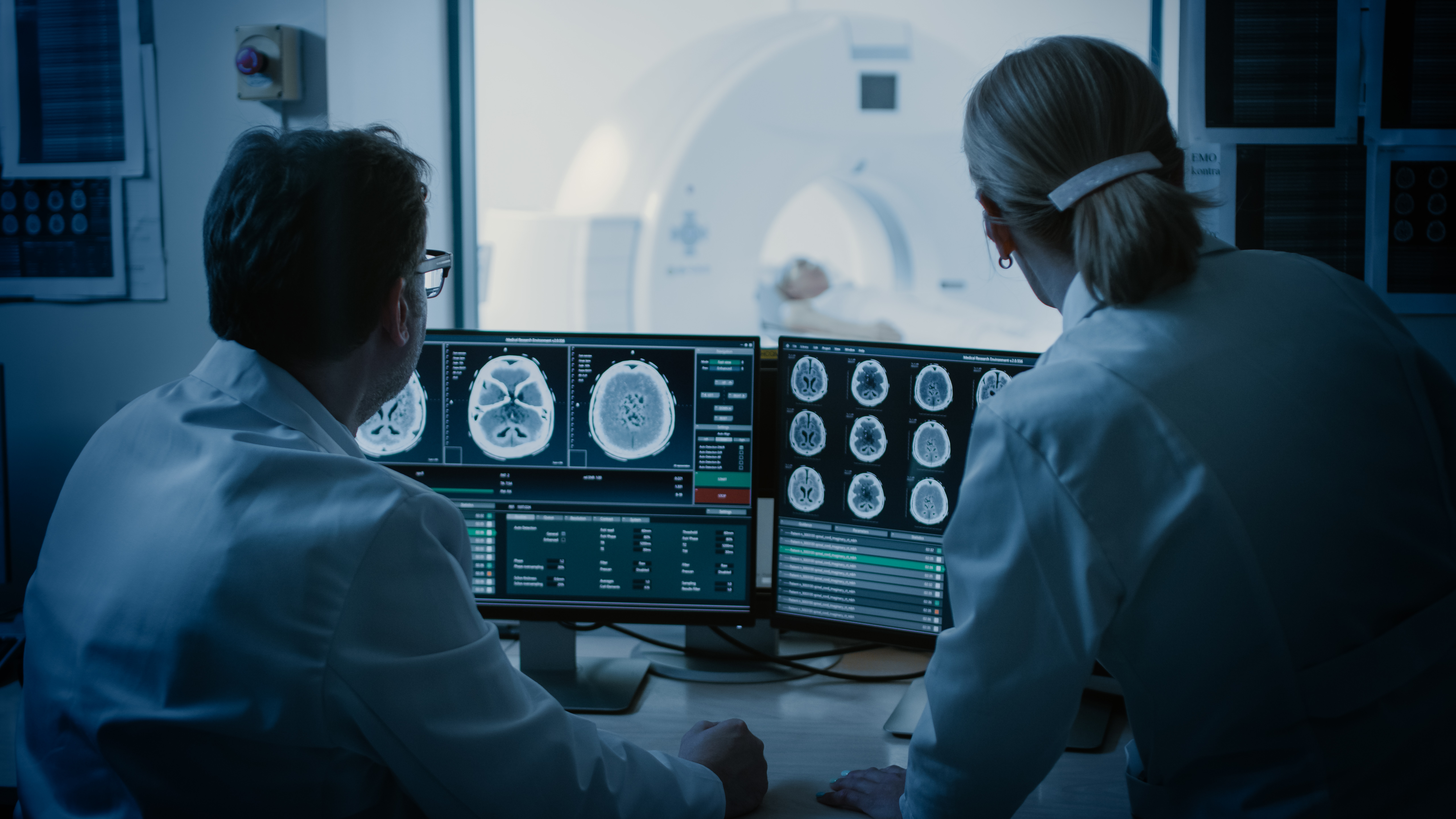
NYU's program spans this space broadly: trapping atoms and photons to study light-matter interaction at fundamental scales, applying nuclear magnetic resonance to non-invasive imaging in medicine and materials science, and firing terahertz light pulses at superconductors to observe quantum state evolution in real time.
The resulting instrumentation extends well beyond the physics laboratory, into clinical MRI, GPS-independent navigation, and precision tests of fundamental physics.
Quantum Materials & Molecular Design
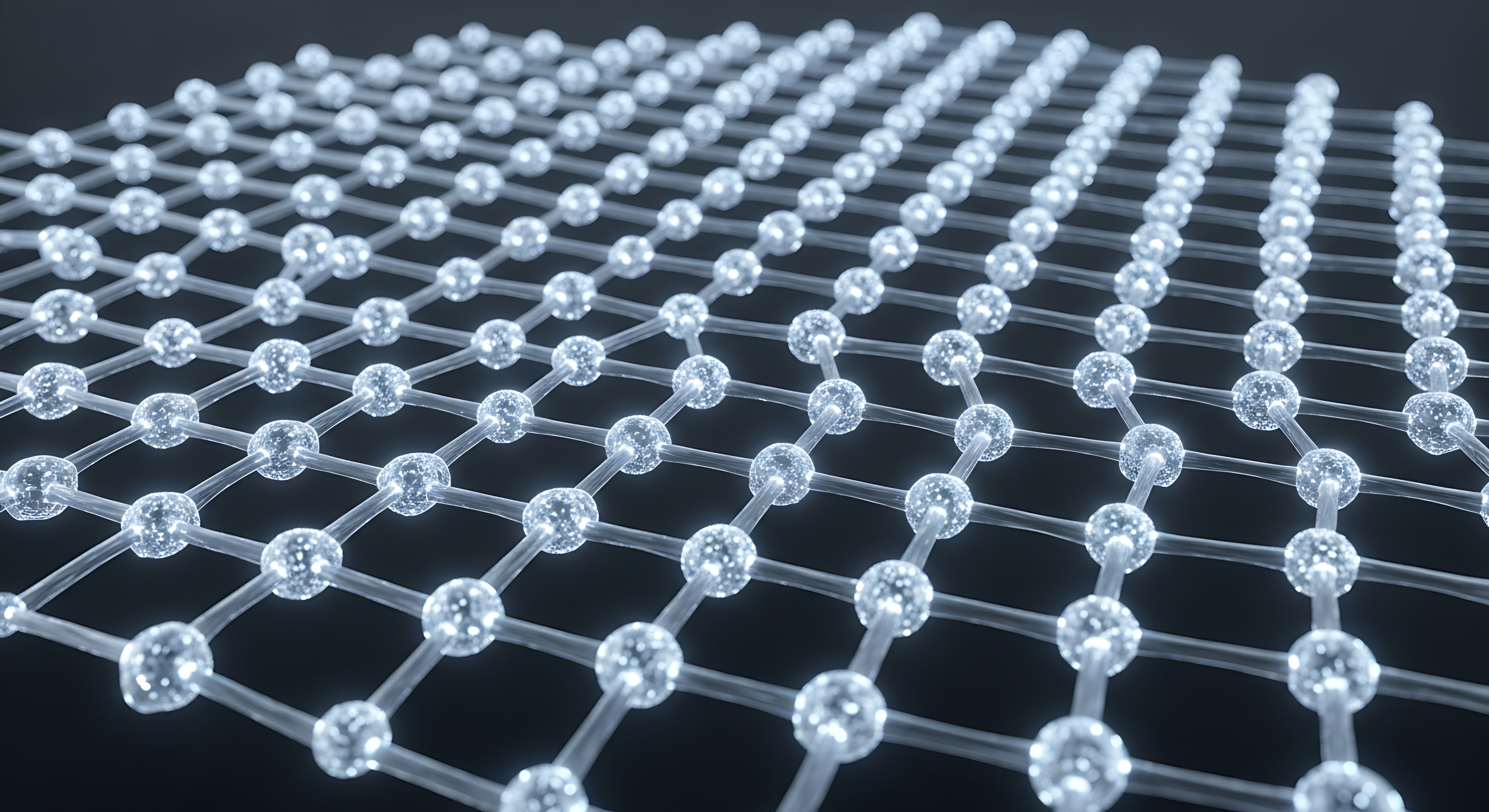
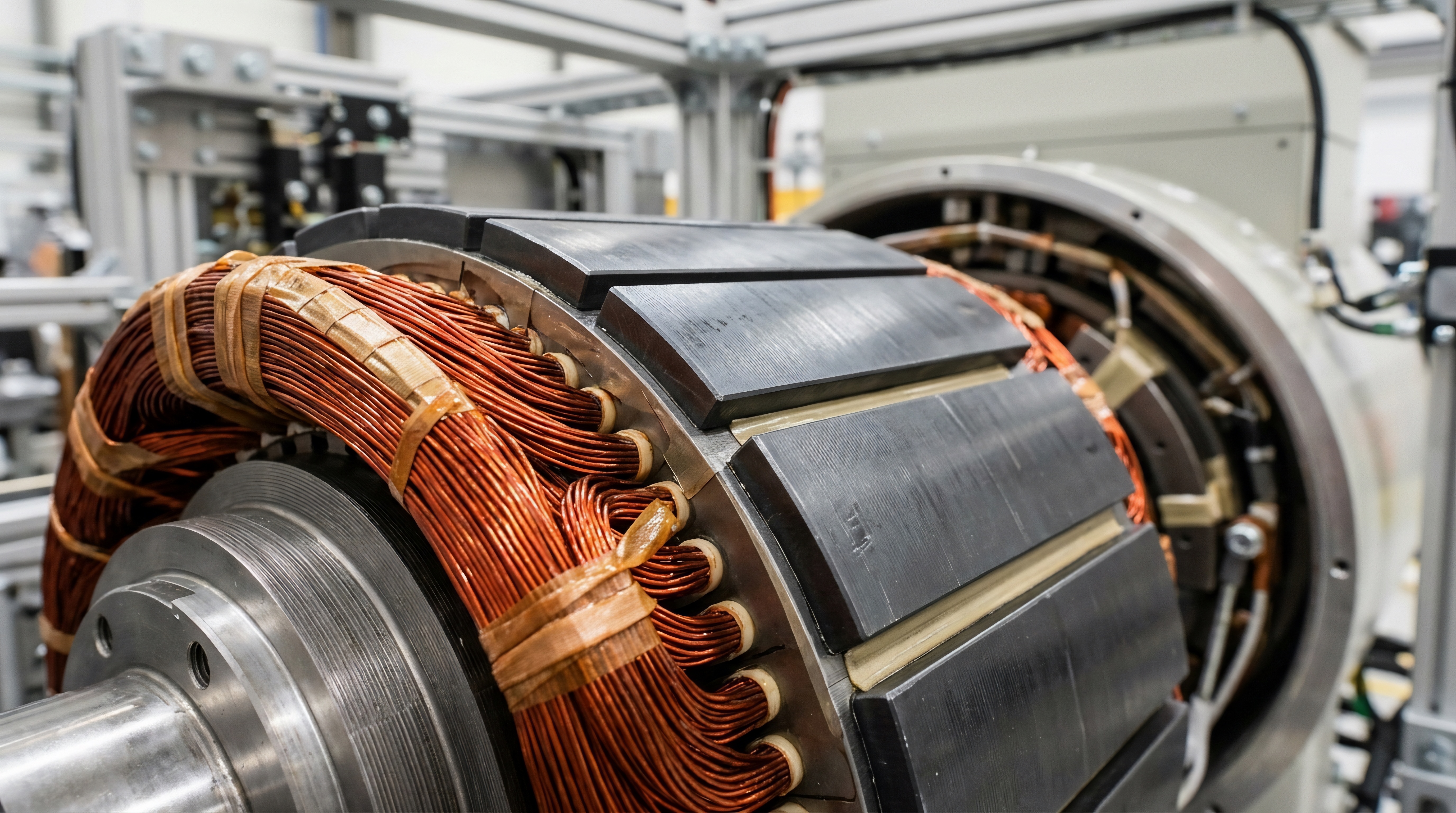
Every quantum device begins with a materials problem: determining which atoms, molecules, and crystal structures exhibit useful quantum behavior is a deep scientific question that precedes every advance in computing, communications, and sensing.
NYU's chemists computationally simulate molecules and materials to predict their quantum properties before synthesis, design crystals with tailored magnetic and optical responses, and develop the theoretical framework that explains collective quantum behavior in large systems.
This foundational work underpins the university's quantum technology efforts and represents a strategic area of expansion in faculty, facilities, and partnerships.