

Quantum is, as the saying goes, having a moment.
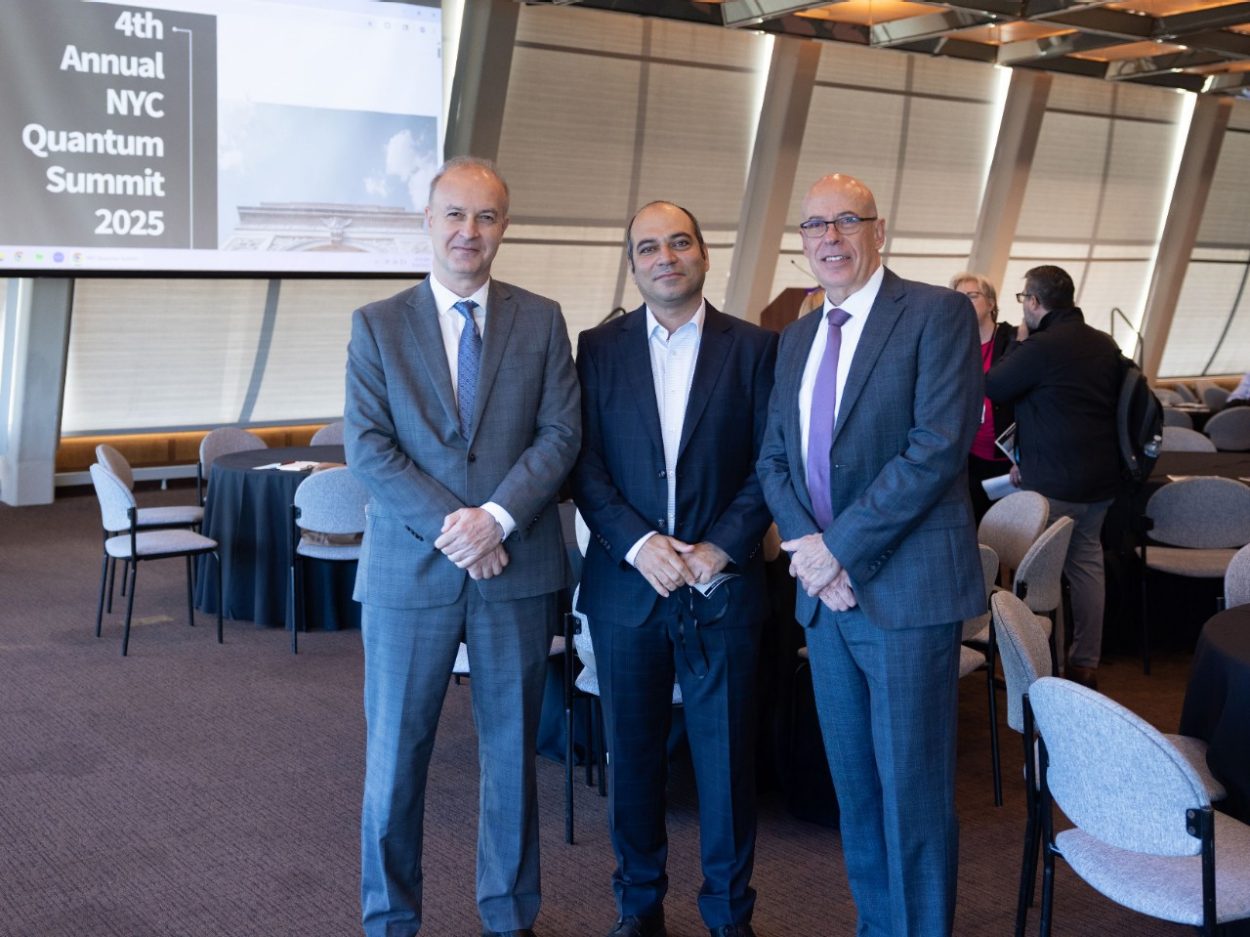
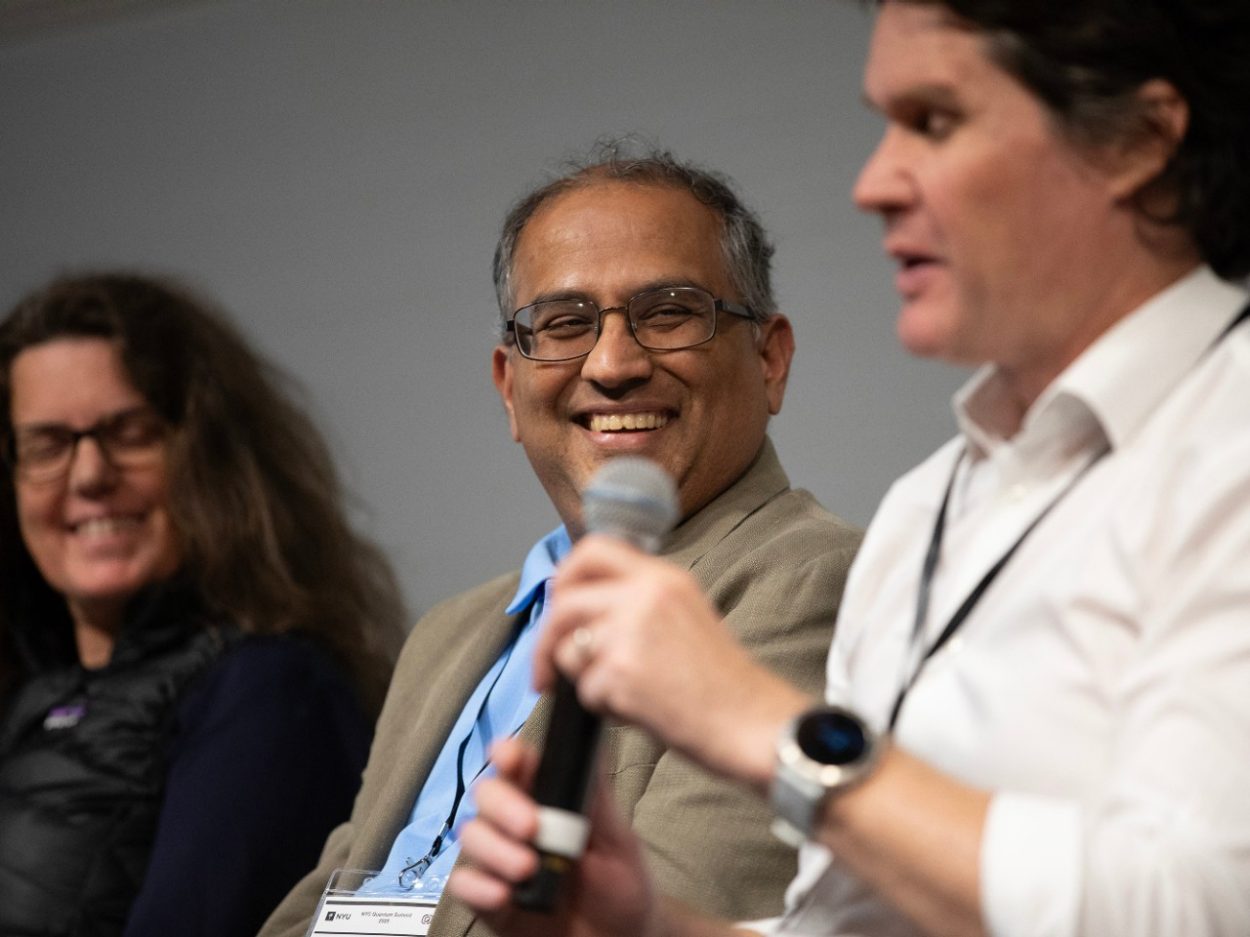
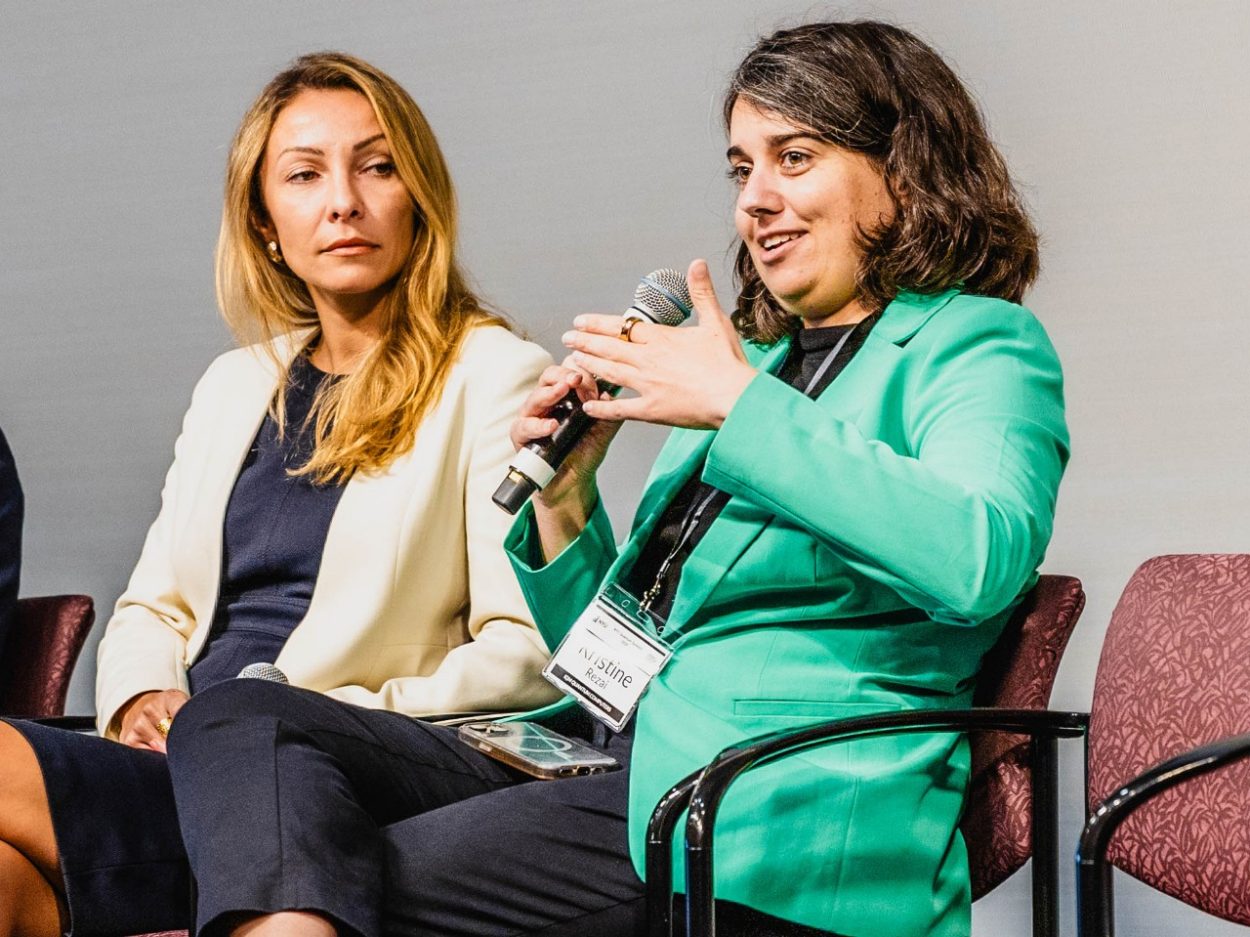
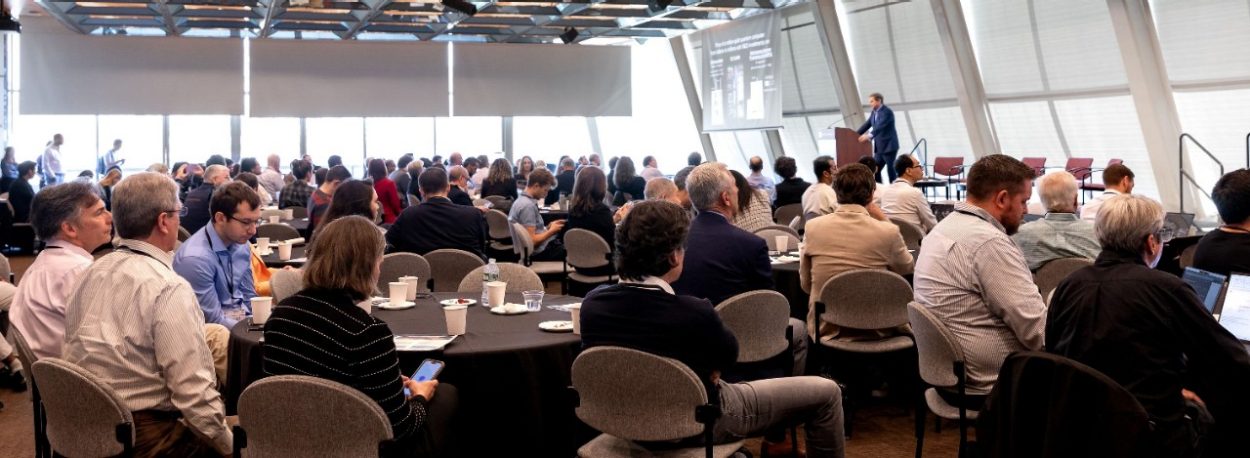
In the middle of NYU hosting the two-day NYC Quantum Summit 2025 in early October, a 200-strong, invite-only crowd of the field’s luminaries learned that three of their peers had been awarded the Nobel Prize in Physics.
“There is no advanced technology today that does not rely on quantum mechanics,” Olle Eriksson, chair of the Royal Swedish Academy of Science’s Physics committee, stated from Stockholm in announcing the award.
To put it into perspective: As pointed out by Matthias Troyer, corporate vice president of Quantum at Microsoft Research in his summit presentation, current computing and critical technologies such as AI are built on the same counting framework as the abacus, which dates back to at least 2300 BCE. With quantum computing, we have for the first time in five millennia an opportunity to change the way computations are carried out at scale.
“Quantum”—for the majority uninitiated—ultimately refers to the peculiar physics of subatomic (defined as smaller than an atom) matter, which, for reasons both known and unknown, operates by a completely different set of rules compared to macroscopic, or visible, particles. Work in this field is so timely and essential, it is helping to fuel some of the university’s next great scientific steps.
“We're in the middle of a science and technology revival at NYU, where the plan is to invest in over a hundred new faculty hires over the next few years,” Juan de Pablo, the university’s inaugural executive vice president for global science and technology and the dean of the Tandon School of Engineering, stated during his opening remarks. “Along with that, we've acquired a wonderful building, a million square feet just a few blocks away, the Wannamaker building [770 Broadway], where incredible new scientific laboratories and state-of-the-art facilities will be located. Almost a hundred years ago, in 1928, Robert Mulliken from NYU’s Department of Chemistry was the first to assign quantum numbers to the electrons in molecules. We are building on that legacy of discovery in quantum information sciences to fuel the inventions of tomorrow.”
“Quantum has always been a big part of our tradition at NYU,” said Gregory Gabadadze, NYU’s dean of science, noting that the university’s physics department’s connection to quantum theory dates to 1935. “Today, we're very happy to interact with the rest of the world to engage in collaboration on both research and pedagogy, and we hope something very good will come out of it.”