


NYU Global Science and Technology

The Office of Global Science and Technology (GST) unites researchers across disciplines and global campuses to advance their fields, partnerships and impact.

Science & Tech Opportunities

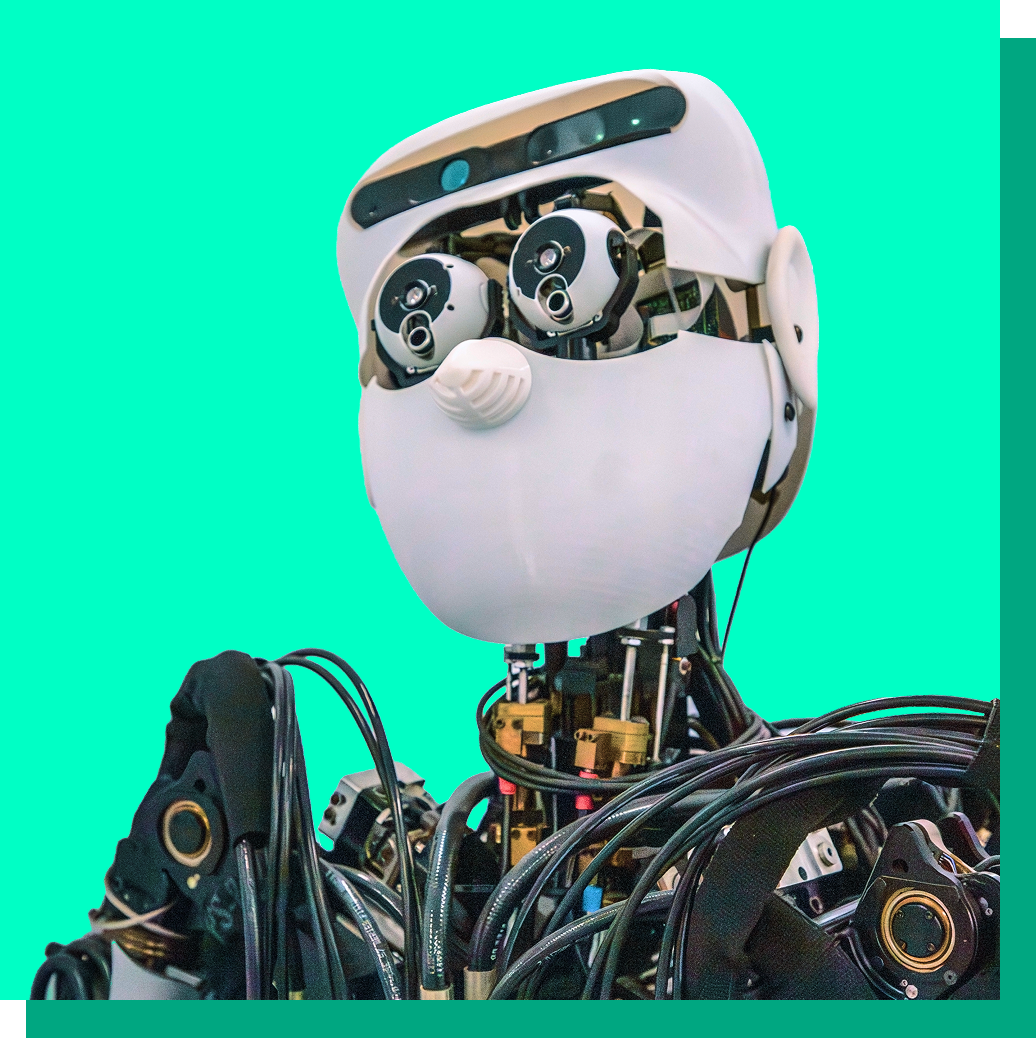
Materials & Technologies

Physics · Chemistry · Engineering

New materials are the fundamental enablers of modern civilization, from fuel-efficient transport to next-generation energy systems. Advances in materials open new industries, drive economic growth, and push the frontier of what we can build.

Anchored by

You Are Here

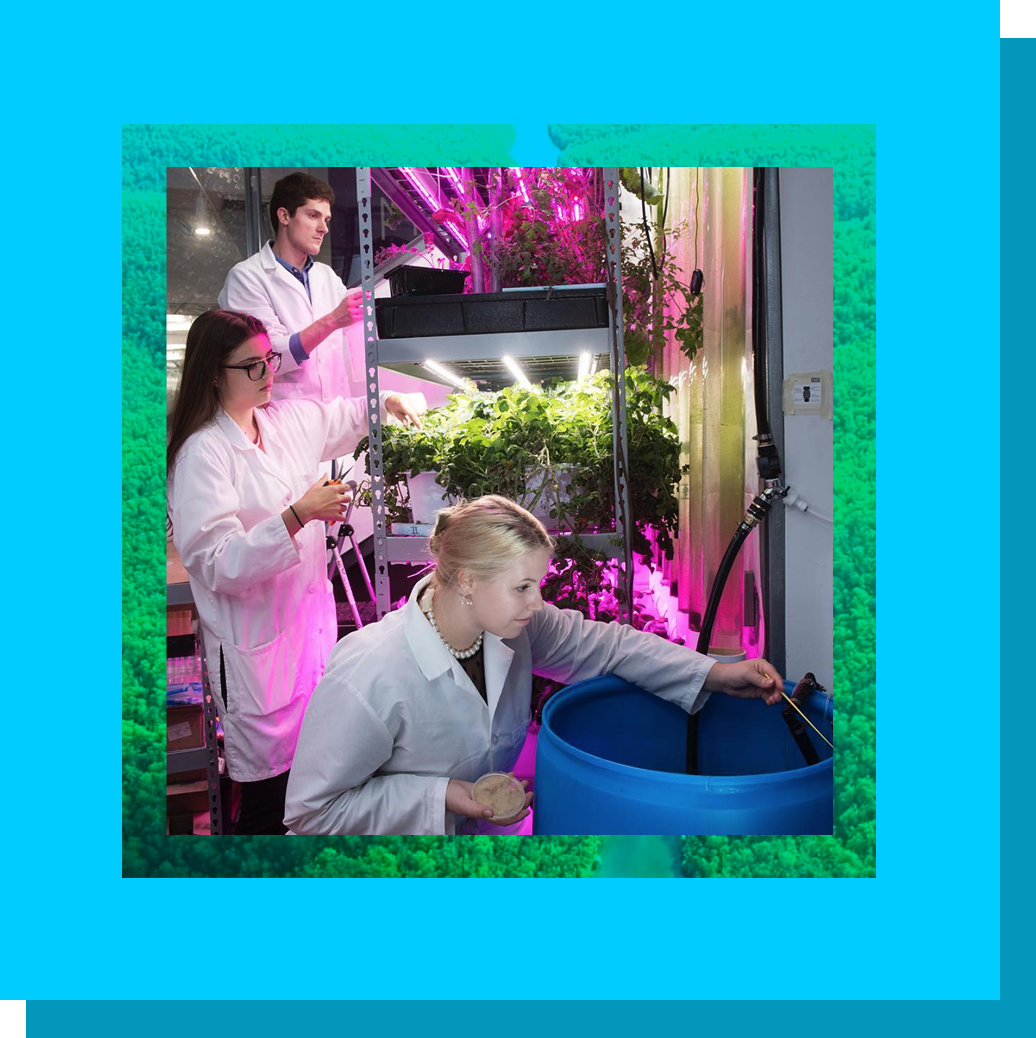
Sustainability

Climate · Technology · Adaptation

Humanity is in a race to build systems and societies that can endure. Research in sustainable technologies, materials, and climate adaptation is the infrastructure that a livable future depends on.

Health, Biology & Human Condition

Medicine · Engineering · Life Sciences

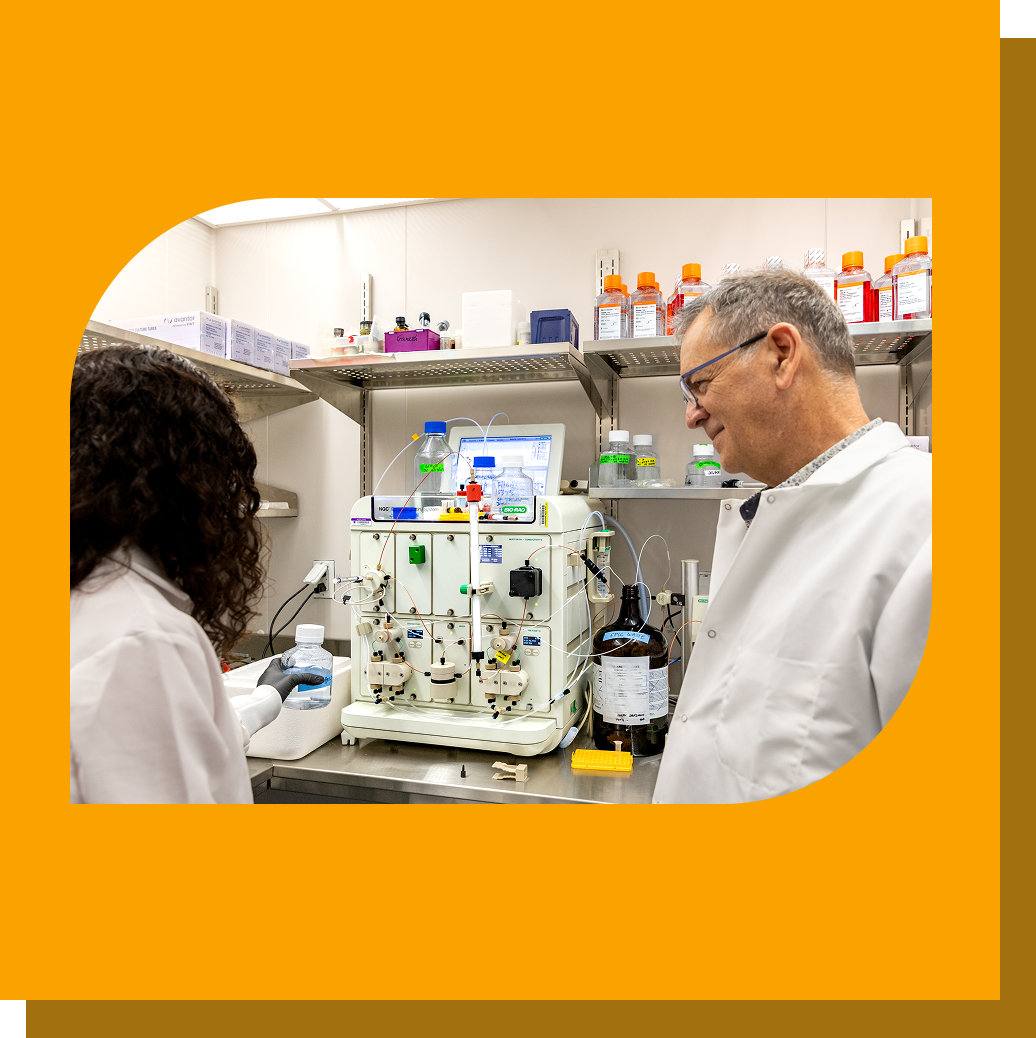
The cost and complexity of human health is one of the defining challenges of our time. Research at the intersection of biology, engineering, and medicine holds the key to making care more effective, accessible, and affordable—for both people and the planet.

NYU Global Science and TechnologyQUANTUM Institute

News

NYU’s Quantum Institute, IBM Team Up for Postdoctoral Research Program in Quantum Computing

Joint postdoctoral research projects will focus on quantum algorithms and applications in research areas across chemistry, computer science, materials science, physics, optimization, and more.

By James DevittMay 11, 2026

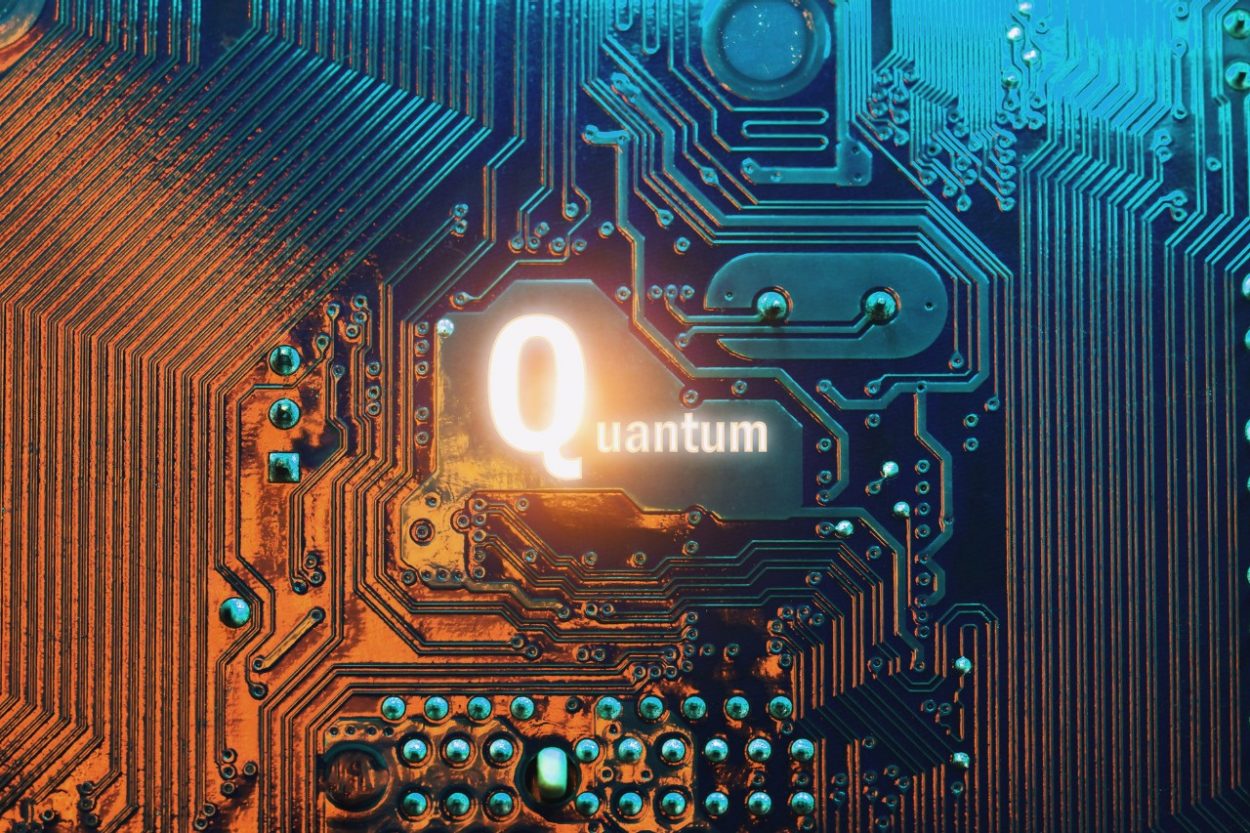
New York University and IBM have initiated a postdoctoral program to conduct quantum computer research in the areas of chemistry, computer science, engineering, materials science, physics, and optimization.


This collaboration, as part of NYU’s role as a member of the IBM Quantum Network—a consortium of academic institutions, enterprises, startups, and government labs working to enhance quantum computing through research excellence and technological advancement—is intended to push quantum algorithms and applications development for today’s quantum-centric supercomputer architectures, which combine quantum and classical HPC workloads, as well as for future, large-scale, fault-tolerant quantum computers, which are expected to accelerate time and cost efficiencies in fields such as drug development, materials discovery, chemistry, and optimization.


“Quantum computing’s potential to understand and address engineering, mathematical, and scientific barriers is unmatched,” says NYU Professor Javad Shabani, director of NYU’s Quantum Institute, who will oversee the university’s role in the postdoc program. “But maximizing its contributions requires developing a network of quantum pioneers across academia and industry who can reach beyond today’s technological boundaries. NYU welcomes the opportunity to work with IBM to help postdocs with their innovative and comprehensive approaches in meeting these challenges.”

“This postdoctoral research sponsorship will give some of NYU’s top talent an opportunity to push IBM’s quantum-centric supercomputing architecture not just for immediate application development, but to lay the groundwork for the algorithms that will power tomorrow’s fault-tolerant quantum computers—all while engaging with the broader quantum community of students, researchers, and industry professionals,”

Jamie Garcia, Director, Growth & Strategic Partnerships, IBM.

NYU postdoctoral researchers chosen for the program will conduct quantum-related projects, sponsored and supported by IBM and the company’s quantum researchers, at NYU’s Quantum Institute and at IBM Research headquarters—the Thomas J. Watson Research Center in Yorktown Heights, New York—using the company’s quantum computers. The program follows an earlier NYU-IBM program, which included the training of NYU undergraduates and graduates in quantum information physics.


NYU’s Quantum Institute
Last fall, the university established the NYU Quantum Institute, which aims to drive cutting-edge research across three pillars of quantum information science—quantum computing, quantum communications, and quantum sensing—while also serving as a hub for the exchange of ideas and interactions between academia and the private sector, including New York’s startup ecosystem. 


“When we launched the Quantum Institute at NYU, its success was to be based on the ingenuity of the outstanding faculty and students leading innovation at NYU, but of equal importance was the collaboration with industry leaders—such as IBM,” notes Juan De Pablo, Anne and Joel Ehrenkranz Executive Vice President for Global Science and Technology and executive dean of the Tandon School of Engineering. “Together we can help make New York a vital part of the quantum universe.”

Affiliated Faculty